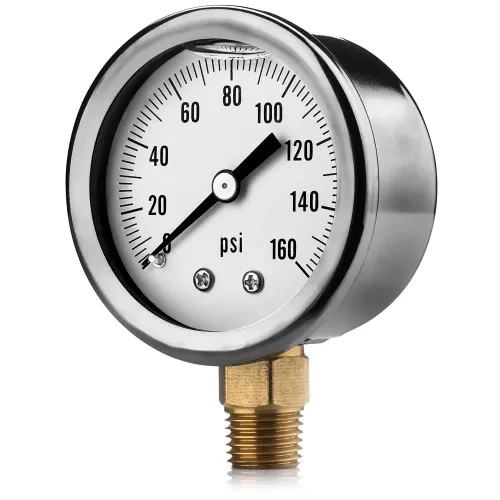

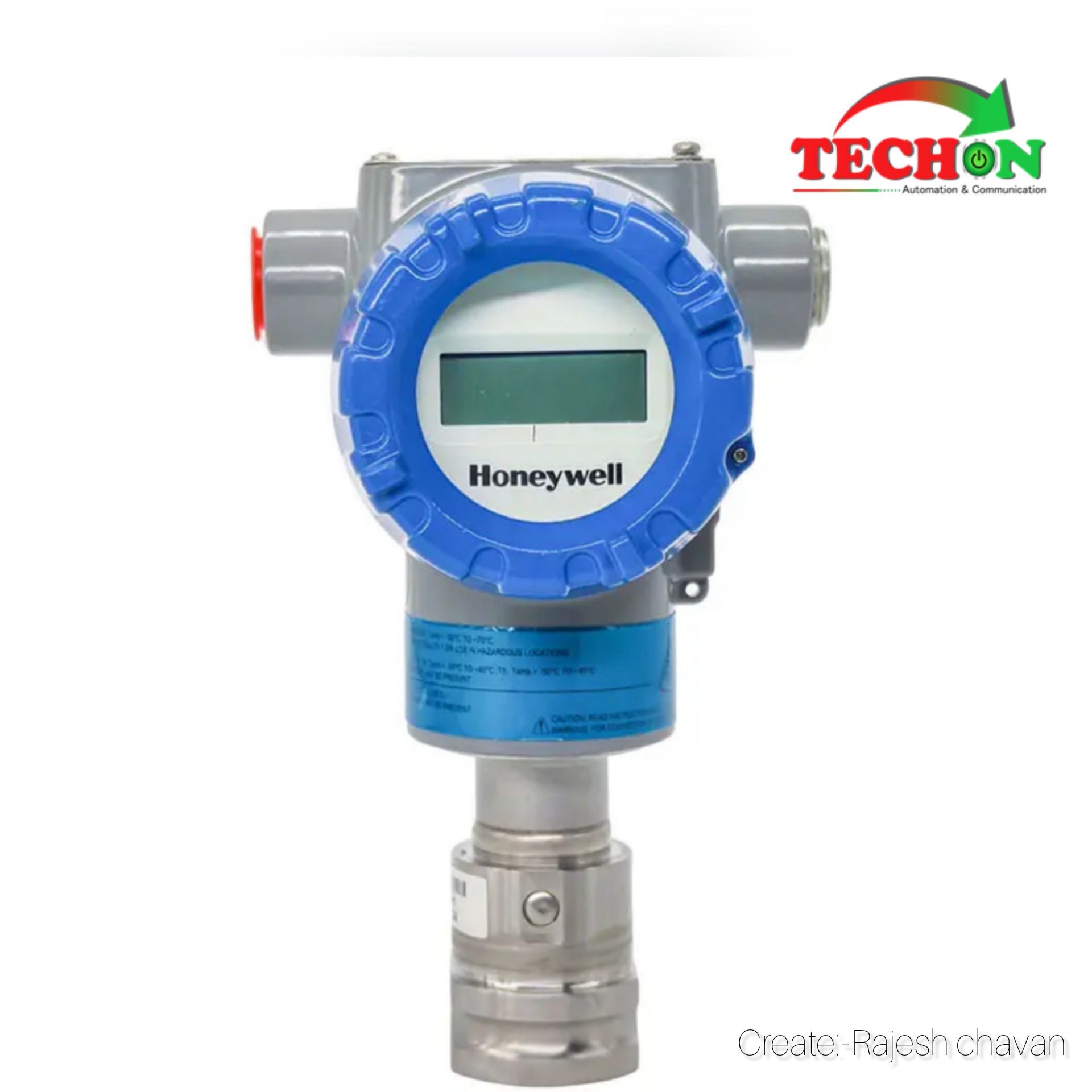
A gauge pressure transmitter is a device used to measure pressure relative to atmospheric pressure.
It senses the pressure of gases or liquids and converts it into an electrical signal.
These transmitters are widely used in industrial processes such as oil, gas, and water systems.
They help monitor and control pressure to ensure safe and efficient operation.
Gauge pressure transmitters are known for their accuracy, reliability, and durability in harsh environments.
Accuracy:
±
0
.
0
4
%
to
±
0
.
1
%
of calibrated span (including linearity, hysteresis, and repeatability).
Measurement Range: Spans ranging from 0.1 kPa to 70 MPa (approx. 10, 000 psi).
Output Signal: 4-20 mA analog, HART (7.x), PROFIBUS PA, or FOUNDATION Fieldbus.
Power Supply: Generally 10.8 to 42 V DC.
Operating Temperature: Process temperatures often range from -40°C to +125°C.
Materials: Wetted parts typically SUS316L, Hastelloy, or Monel.
Gauge pressure transmitters measure process pressure relative to atmospheric pressure, typically offering
accuracy. Key specifications include 4–20 mA HART/WirelessHART output, wide rangeability (up to 700 bar), and stainless steel construction for gas, liquid, or steam.