
AI Overview
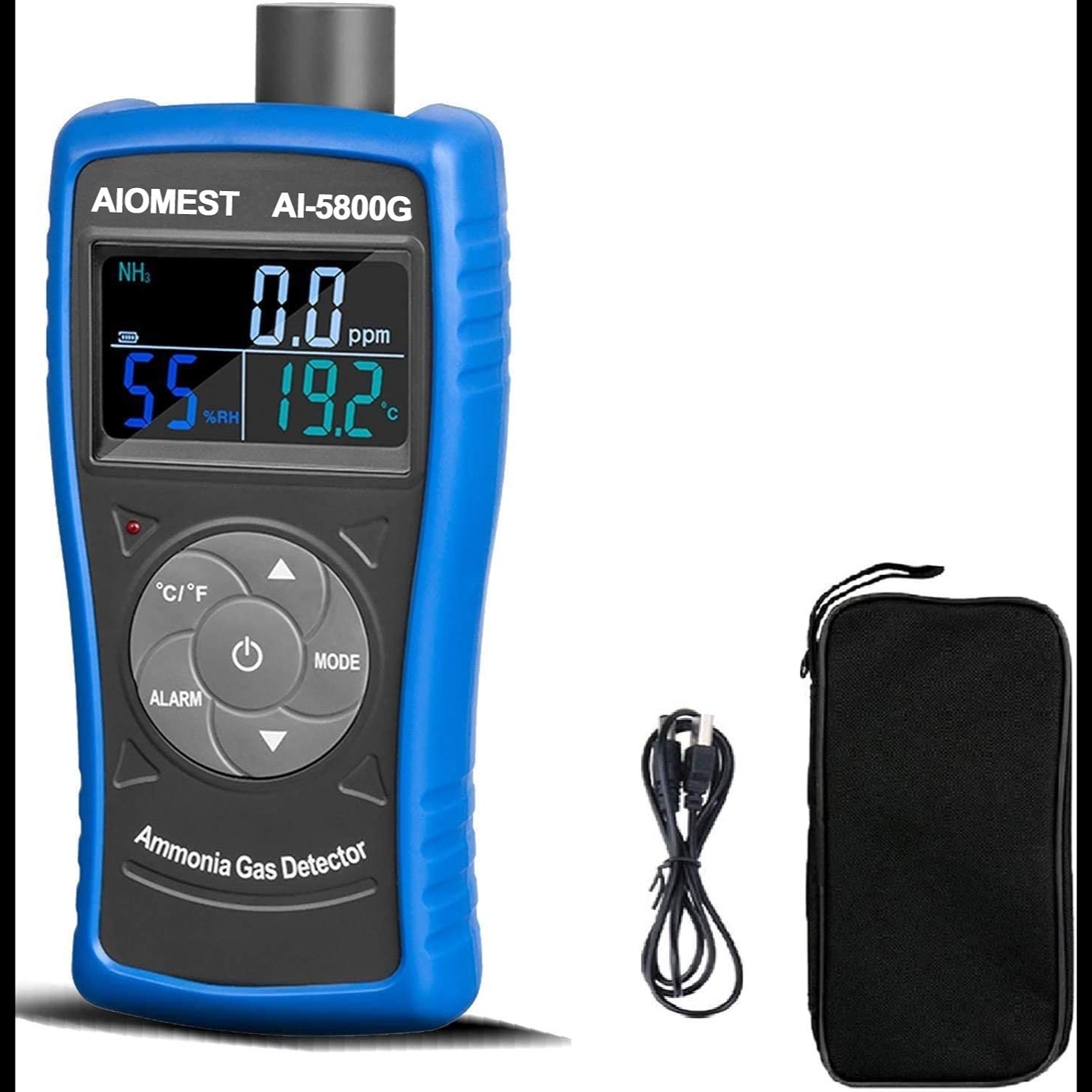
Ammonia analyzers are specialized instruments designed to measure the concentration of ammonia in gaseous or liquid phases, widely used in environmental monitoring, wastewater treatment, and industrial processes (e.g., SCR/SNCR deNOx systems). They utilize various technologies such as Cavity Ring-Down Spectroscopy (CRDS), Tunable Diode Laser Absorption Spectroscopy (TDLAS), chemiluminescence, or ion-selective electrodes to achieve high-precision, real-time measurements, often detecting in the parts-per-billion (ppb) or even parts-per-trillion range. An ammonia (NH₃) analyzer is an instrument used to measure the concentration of ammonia gas in air or process streams. It operates using techniques such as electrochemical sensing, infrared spectroscopy, or chemiluminescence. These analyzers are widely used in environmental monitoring, industrial safety, and emissions control. They provide real-time, accurate detection to help maintain safe and compliant conditions. Ammonia analyzers are essential in industries like agriculture, wastewater treatment, and chemical manufacturing.
CRDS/TDLAS: High-precision, fast response, low drift, and suitable for low-concentration measurements.
UV Spectroscopy/Chemiluminescence: Suitable for industrial emissions, often measuring in hot-wet conditions.
Colorimetric/ISE: Primarily used for liquid (water) analysis.
Optical Cell/Reaction Chamber: Uses lasers or UV light to measure gas absorbance.
Converter: Heated molybdenum (approx. 325°C) or stainless steel (up to 750°C) used to convert