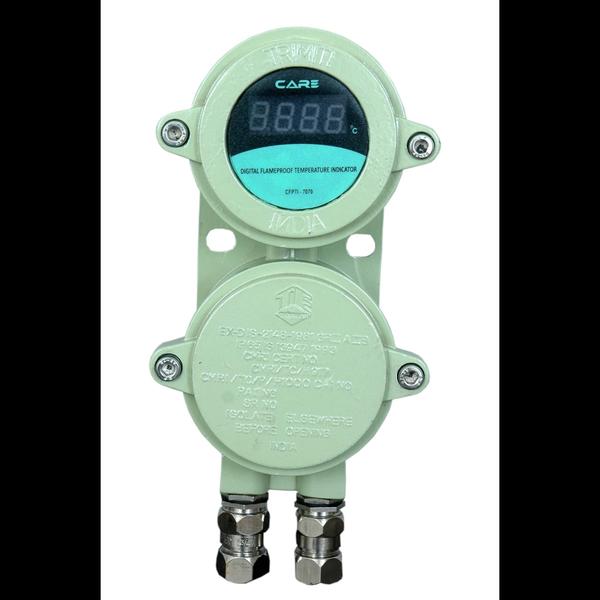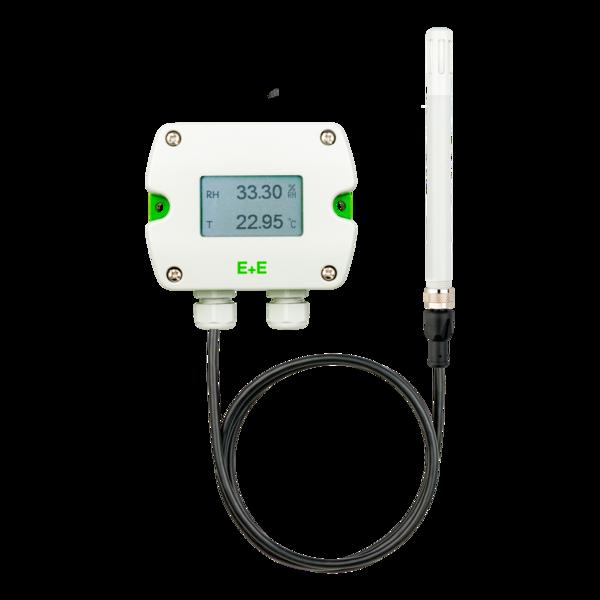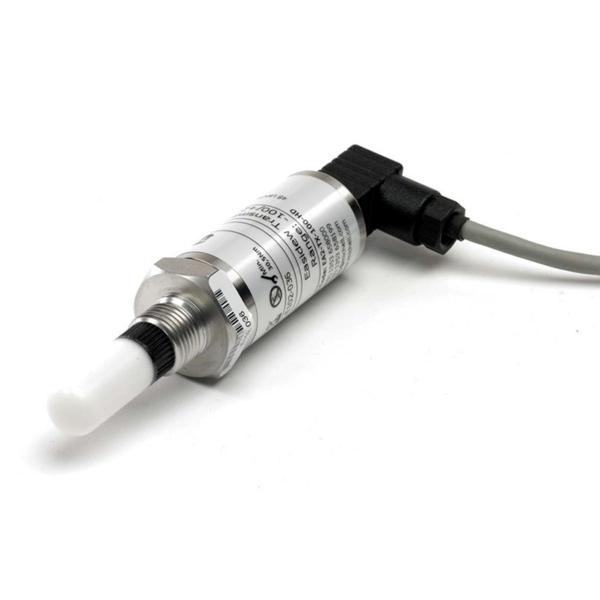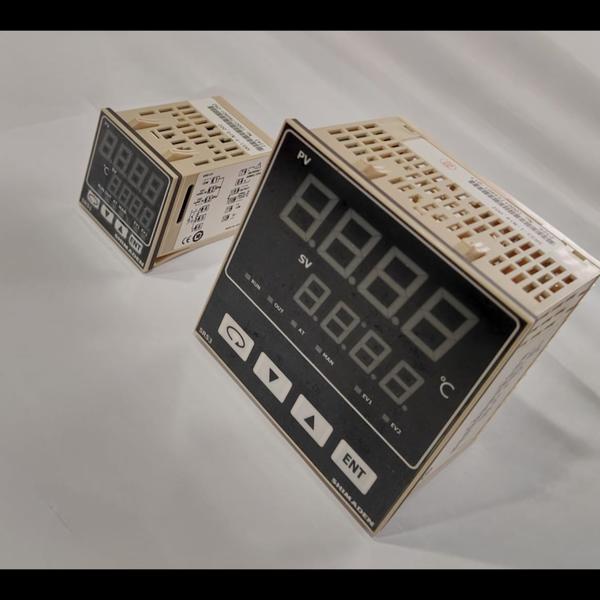

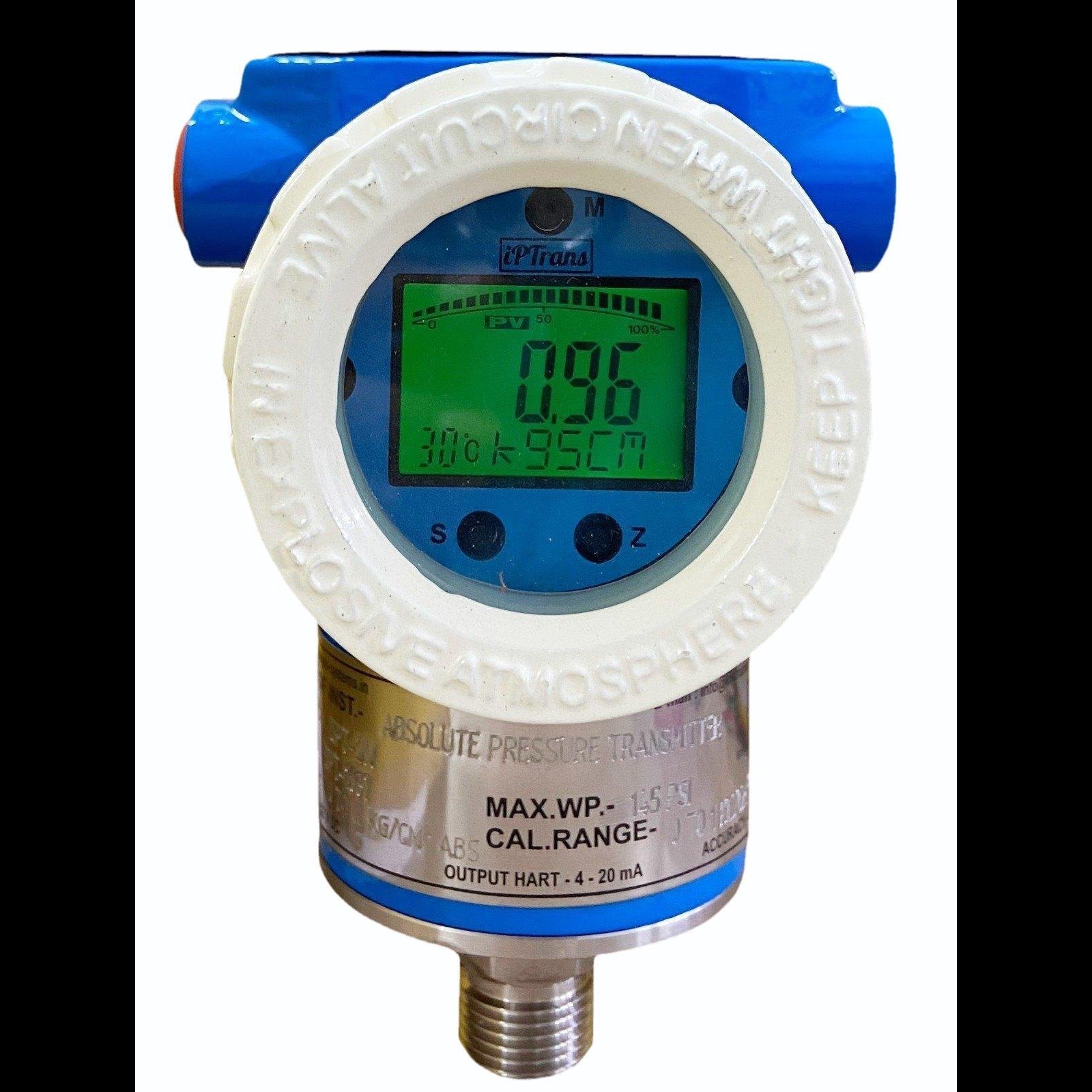
A Smart Pressure Transmitter is an advanced electronic device used to measure pressure in industrial processes.
It converts pressure into a standardized electrical signal for monitoring and control.
The transmitter uses microprocessor-based technology for accurate signal processing.
It can measure gauge pressure, absolute pressure, or differential pressure.
Smart transmitters provide highly accurate and stable measurements.
They commonly produce a 4–20 mA output signal with digital communication capability.
Communication protocols such as HART, Modbus, and Foundation Fieldbus are widely supported.
These transmitters allow remote configuration and calibration from a control room.
Smart diagnostics help detect sensor faults and maintenance requirements.
The device contains advanced sensing elements like capacitive or piezoresistive sensors.
It offers automatic temperature compensation for improved accuracy.
Smart pressure transmitters are widely used in oil and gas industries.
They are also used in chemical plants, power stations, and water treatment systems.
The transmitter can operate in harsh industrial environments with vibration and high temperatures.
Many models include LCD displays for local indication of pressure values.
The device supports real-time monitoring and process automation systems.
Smart transmitters reduce wiring complexity through digital communication networks.
They improve plant safety and process efficiency by providing reliable measurements.
Periodic calibration ensures long-term performance and accuracy.
Smart Pressure Transmitters are essential components in modern industrial instrumentation and control systems.
Pressure Type Gauge
Pressure Range 0–250 bar
Output Signal 4–20 mA HART
Process Connection ½ in NPT
Diaphragm Material Hastelloy C
Turn Down Ratio 100:1
Accuracy ±0.1%
Ingress Protection IP68
Mounting Type 2 in Pipe
Supply Voltage 18–32 V DC
Pressure Measurement Range – Measures pressure over a wide range such as vacuum to several hundred bar.
Accuracy – High accuracy typically between ±0.05% and ±0.25% of full scale.
Output Signal – Provides standard 4–20 mA analog output with digital communication support.
Communication Protocols – Supports HART, Modbus, Foundation Fieldbus, or Profibus protocols.
Power Supply – Operates on 12–36 V DC industrial power supply.
Sensor Technology – Uses capacitive, piezoresistive, or strain gauge sensing elements.
Operating Temperature Range – Functions reliably from approximately –40°C to +85°C.
Display Interface – Equipped with LCD or digital display for local pressure indication and configuration.
Protection Rating – Available with IP65, IP67, or explosion-proof enclosure for harsh environments.
Diagnostic Features – Includes self-diagnostics, remote calibration, and fault detection for improved reliability.