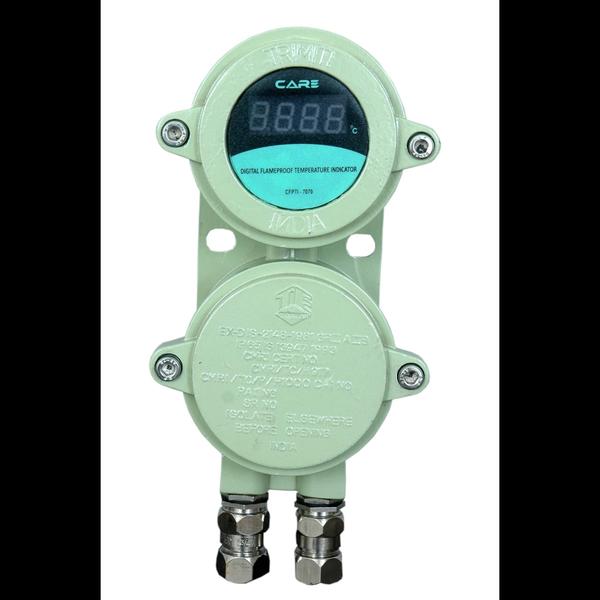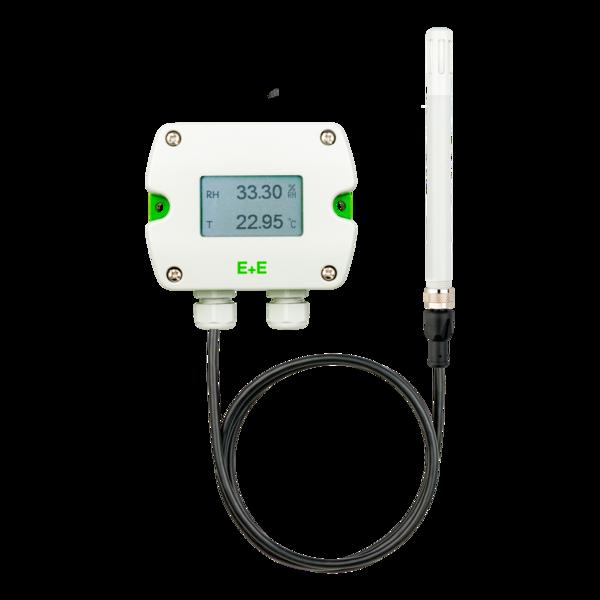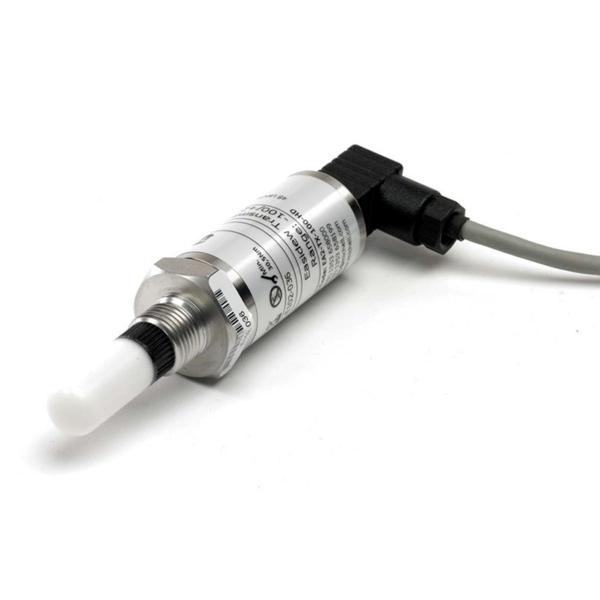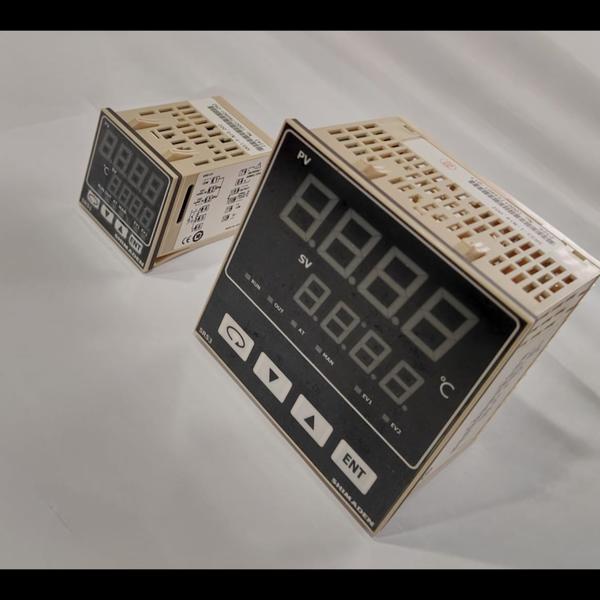

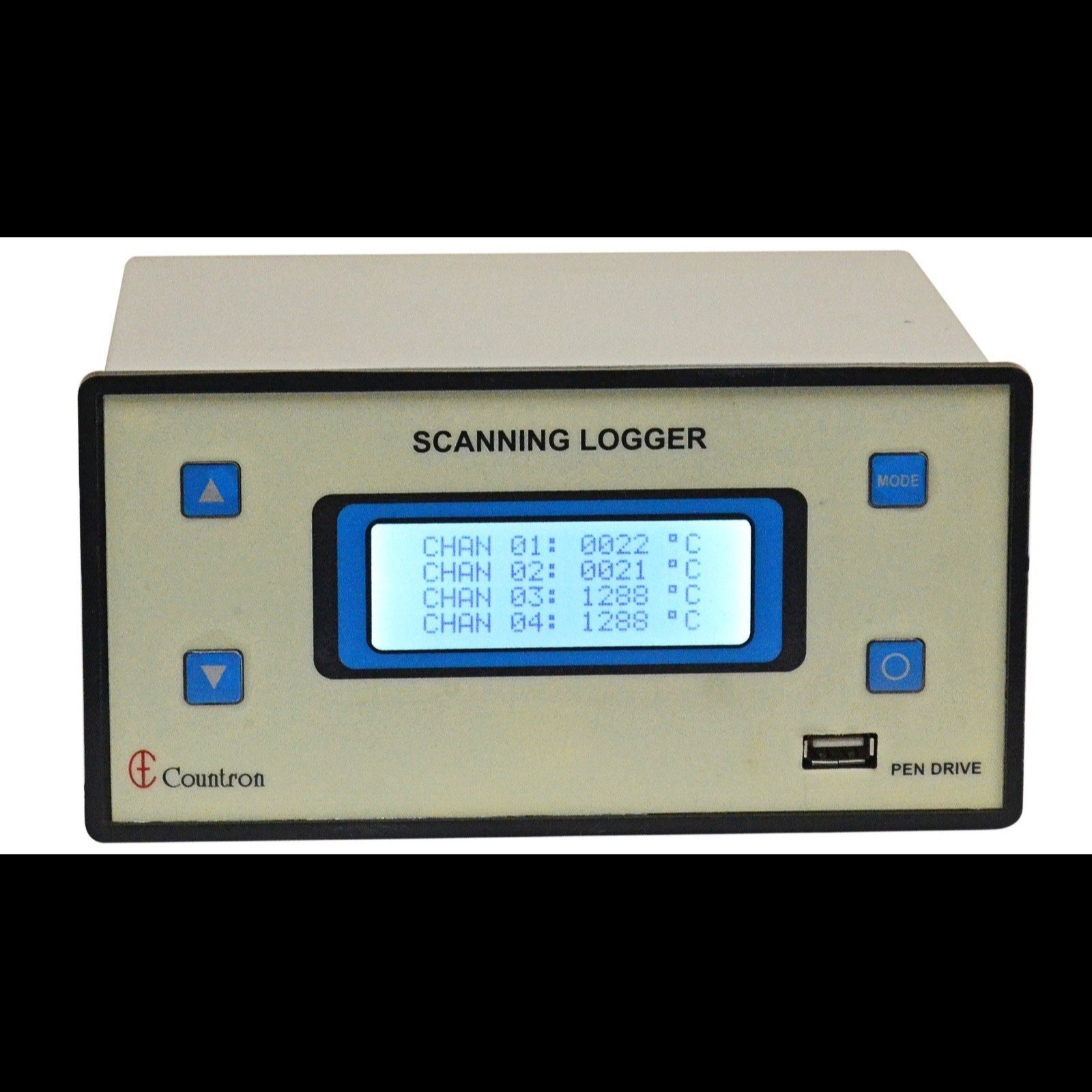
A microprocessor-based data logger is an electronic device designed to automatically monitor and record environmental or physical parameters over time.
At its core, a programmable microprocessor controls the entire system, executing code to manage data collection, processing, and storage.
The device interfaces with various sensors to measure real-time data such as temperature, humidity, pressure, voltage, and flow rate.
Analog signals captured from these sensors are converted into digital data using an integrated Analog-to-Digital Converter (ADC).
The microprocessor processes these digital signals, often applying calibration factors or scaling algorithms to ensure accuracy.
Time-stamping is a critical feature, enabled by a Real-Time Clock (RTC) chip that records the exact date and time for every data point.
Collected data is temporarily or permanently saved onto onboard memory storage, such as EEPROM, Flash memory, or removable SD cards.
It operates as a standalone system, meaning it can function independently in remote locations without requiring a continuous PC connection.
Power efficiency is a primary design focus, allowing the logger to enter a low-power “sleep mode“ between scheduled measurement intervals.
It can be powered by batteries, solar panels, or main electricity, depending on the duration and location of the deployment.
Users can configure the device's sampling rate, trigger conditions, and recording intervals via specialized software or an onboard keypad.
For local interaction, many data loggers feature a built-in LCD screen to display current readings, system status, and memory capacity.
Data retrieval is highly flexible, utilizing wired connections like USB, RS-232, or RS-485 to transfer stored logs to a computer.
Modern units also incorporate wireless telemetry, such as Wi-Fi, Bluetooth, ZigBee, or cellular modules, for remote, real-time data access.
Built-in alarm systems can be programmed to trigger LED indicators, buzzers, or digital outputs if a sensor reading exceeds safe thresholds.
The rugged construction of these loggers ensures reliable performance in harsh industrial, agricultural, or outdoor environments.
Once transferred to a PC, the logged data is typically exported into formats like CSV or Excel for advanced statistical analysis and graphing.
They are widely used in cold chain logistics to monitor food and pharmaceutical temperatures during transit to ensure quality compliance.
Environmental scientists rely on them for long-term weather monitoring, soil moisture tracking, and water quality assessments.
Ultimately, microprocessor-based data loggers replace error-prone manual documentation with automated, highly accurate, and continuous data collection.
A microprocessor-based data logger is an electronic instrument that automatically monitors, processes, and records physical parameters (like temperature, pressure, or voltage) over time. It utilizes an onboard microprocessor to collect raw sensor data, convert it to standard units, and store it in internal memory for future analysis or real-time viewing
Microprocessor/Controller Unit
Uses a microprocessor or microcontroller (such as Intel 8085, 8051, PIC, ARM, Arduino, etc.) to control data acquisition, processing, and storage.
Multi-Channel Input
Supports multiple sensor inputs (temperature, pressure, voltage, humidity, current, etc.) through analog or digital channels.
Analog-to-Digital Converter (ADC)
Converts analog sensor signals into digital data for processing by the microprocessor.
Data Storage Capability
Stores collected data in memory devices such as RAM, EEPROM, SD card, or flash memory for later retrieval.
Real-Time Clock (RTC)
Provides accurate date and time stamping for every recorded data sample.
Programmable Sampling Rate
Allows users to set the data recording interval (seconds, minutes, hours, etc.).
Display and User Interface
Includes LCD/LED display and keypad/buttons for configuration, monitoring, and status indication.
Communication Interface
Supports serial communication methods like UART, USB, RS-232, SPI, I2C, Ethernet, or wireless modules for transferring logged data to computers.
Power Supply and Backup
Operates using regulated DC power with battery backup to prevent data loss during power failure.
Data Accuracy and Reliability
Provides high measurement accuracy, noise filtering, error detection, and stable long-term operation for industrial or laboratory use.
System Type IOT Gateway
Monitoring Mode Sensor Data
Connectivity Ethernet
Remote Access Desktop App
Power Source Mains Powered
Data Storage Cloud
Interface Modbus TCP/IP/ RS-485 - Modbus RTU
Power Supply 240V AC / 18-36VDC
Memory YES
Warranty 1 YEAR