
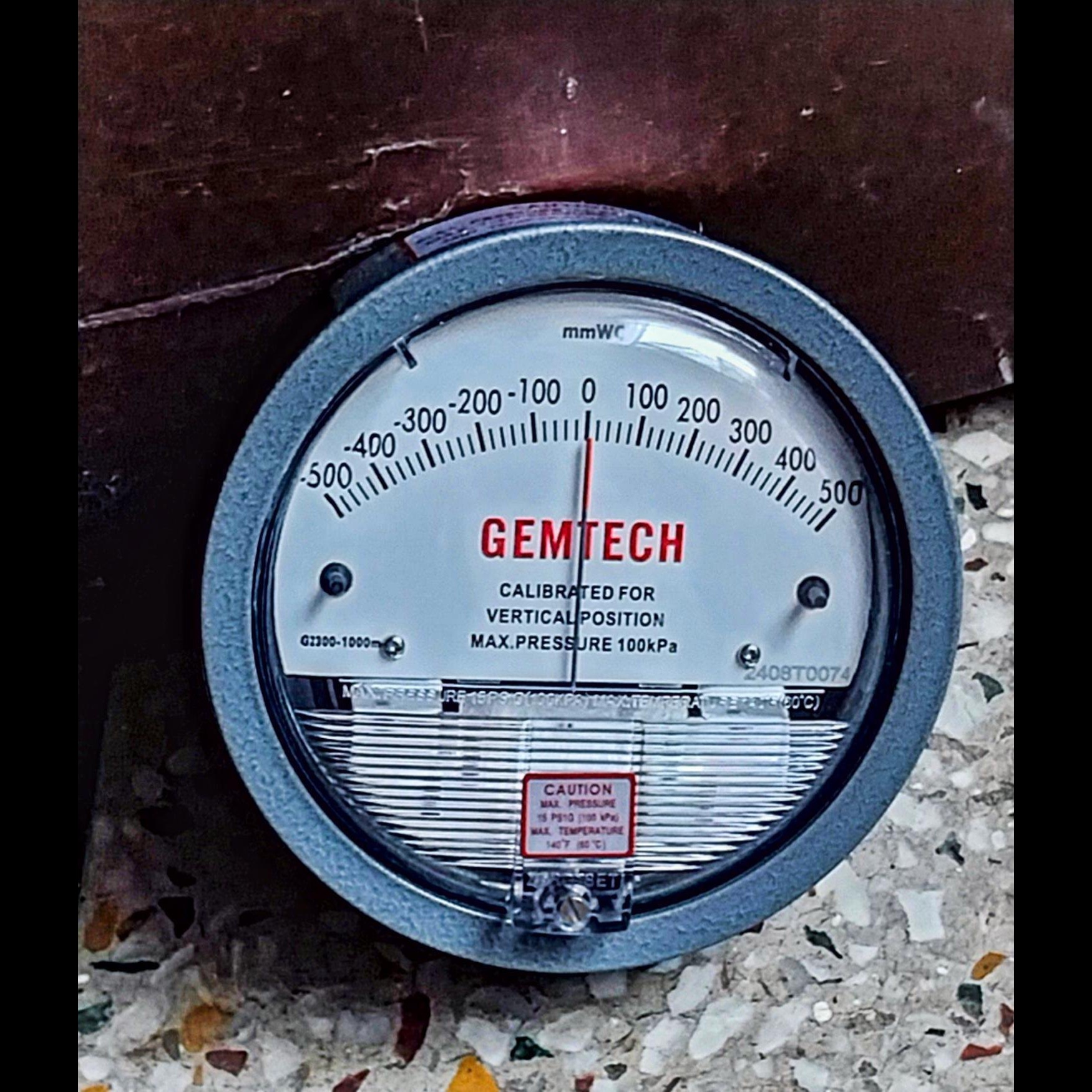
A differential pressure gauge is an instrument used to measure the difference in pressure between two points in a system.A differential pressure gauge measures the difference between two pressure points in a system, crucial for monitoring filter contamination, pump performance, and flow rates.
It is widely used in industries such as oil and gas, chemical processing, and HVAC systems.
The device helps monitor pressure drops across filters, valves, and pipelines.
It consists of two pressure ports: one for high pressure and one for low pressure.
The difference between these pressures is displayed on a calibrated dial or digital screen.
Common sensing elements include diaphragms, bellows, and bourdon tubes.
When pressure is applied, the sensing element deforms proportionally to the pressure difference.
This deformation is then converted into a readable measurement.
Differential pressure gauges are essential for ensuring system efficiency and safety.
They help detect blockages, leaks, or abnormal flow conditions.
Some models provide high accuracy and can measure very small pressure differences.
They are available in both analog and digital types depending on application needs.
Proper installation and calibration are important for accurate readings.
They are often used in cleanrooms, filtration systems, and flow measurement applications.
Overall, differential pressure gauges play a crucial role in maintaining optimal performance of industrial systems.
Differential Range 0–60 kPa
Type Diaphragm
Dial Size 4 inch / 100 mm
Process Connection 1/4 inch NPT
Display Type Analog
Output Signal No Output
Pressure Type Differential Pressure
Connection Size 1/2 inch
Connection Type BSP
Dial Type Dry
Pressure Range – Defines the minimum and maximum differential pressure the gauge can measure.
Accuracy – Indicates how close the measured value is to the actual pressure difference (usually expressed as a percentage).
Operating Temperature – The temperature range within which the gauge can function properly.
Material of Construction – Materials used for the body and sensing element (e.g., stainless steel, brass) to suit different environments.
Connection Type – Type and size of pressure ports (e.g., threaded, flanged).
Dial Size – Diameter of the display for easy readability (commonly in inches or mm).
Mounting Type – Options such as panel mount, surface mount, or direct mounting.
Overpressure Limit – Maximum pressure the gauge can withstand without damage.
Response Time – Time taken by the gauge to reflect pressure changes.
Output Type – Analog (dial indicator) or digital output (electronic display or signal output).